Are you seeking gentle, effective ways to navigate menopause naturally?
Menopause is a natural, transformative phase in every woman's life, marking the end of reproductive years. While it's a universal experience, the journey can be uniquely challenging for each woman, often accompanied by a range of uncomfortable symptoms from hot flashes and night sweats to mood swings and sleep disturbances.
The good news is that you don't have to simply endure these changes. Many women are discovering the profound benefits of natural approaches to manage their symptoms, focusing on holistic well-being. This guide will explore how to find lasting menopause relief naturally, empowering you with knowledge and actionable strategies to embrace this new chapter with vitality and comfort.
Understanding Menopause: More Than Just Hot Flashes
Menopause is clinically defined as the point 12 months after a woman's last menstrual period. It typically occurs between the ages of 45 and 55, with the average age being 51 in the United States. However, the transitional period leading up to it, known as perimenopause, can begin much earlier, sometimes in a woman's late 30s or early 40s.
The primary driver behind menopause symptoms is the significant fluctuation and eventual decline in ovarian hormone production, particularly estrogen and progesterone. These hormones influence a vast array of bodily functions beyond reproduction, including temperature regulation, mood, sleep cycles, bone density, and even cognitive function. As their levels change, the body reacts, leading to a spectrum of symptoms that can range from mild to severe, profoundly impacting daily life and overall well-being.
While hot flashes and night sweats are often the most recognized symptoms, menopause encompasses a broader range of experiences. Many women also report increased anxiety and irritability, unexplained fatigue, difficulty concentrating (often called "brain fog"), vaginal dryness, and changes in libido. Furthermore, the hormonal shifts can contribute to other health concerns, such as increased risk of osteoporosis and cardiovascular disease, and can make managing weight more challenging. Understanding this complex interplay is the first step towards finding effective, natural relief.
💡 Key Takeaway
Menopause is a natural biological process driven by declining estrogen and progesterone. Its symptoms extend beyond hot flashes to include mood swings, sleep disturbances, and cognitive changes, impacting daily life and requiring a holistic approach for effective natural relief.
The Pillars of Natural Menopause Relief
Embracing a natural approach to menopause relief involves looking at your health holistically. This means addressing not just the symptoms, but the underlying factors that contribute to your overall well-being. By focusing on key lifestyle areas, you can significantly improve your experience during this transition.
Optimized Nutrition & Hydration
What you eat and drink forms the foundation of your health. A diet rich in whole foods, plant-based proteins, healthy fats, and complex carbohydrates can help stabilize blood sugar, reduce inflammation, and provide essential nutrients. Hydration is crucial for managing hot flashes and maintaining skin elasticity.
Regular Physical Activity
Exercise is a powerful tool for managing menopause symptoms. It can alleviate mood swings, improve sleep quality, strengthen bones, and help with weight management. Aim for a combination of cardiovascular exercise, strength training, and flexibility work to maximize benefits.
Stress Management & Mindfulness
Chronic stress can exacerbate menopause symptoms by impacting hormonal balance. Incorporating stress-reducing practices like meditation, deep breathing, yoga, or spending time in nature can significantly calm the nervous system and reduce the intensity of symptoms like hot flashes and anxiety.
Quality Sleep Hygiene
Sleep disturbances are common during menopause, often due to night sweats or anxiety. Establishing a consistent sleep schedule, creating a cool and dark bedroom environment, and avoiding screens before bedtime can dramatically improve sleep quality, which in turn helps manage other symptoms.
Targeted Herbal & Nutritional Support
Certain herbs and nutrients have been traditionally used and scientifically studied for their potential to support hormonal balance and alleviate specific menopause symptoms. These can offer a natural alternative or complement to lifestyle changes, providing targeted relief for concerns like hot flashes, mood, and energy.
Dietary Strategies for Menopause Symptom Relief
Your plate can be a powerful ally in your quest for natural menopause relief. Certain foods can help balance hormones, reduce inflammation, and provide the nutrients your body needs during this transition.
One key area is the inclusion of phytoestrogens. These plant compounds can weakly mimic estrogen in the body, potentially helping to alleviate symptoms like hot flashes and night sweats. Excellent sources include flaxseeds, soy products (tofu, tempeh, edamame), lentils, chickpeas, and other legumes. Integrating these into your daily diet can offer gentle support. For example, adding a tablespoon of ground flaxseed to your morning oatmeal or smoothie is an easy start.
Beyond phytoestrogens, focus on a diet rich in whole, unprocessed foods. Emphasize a wide variety of fruits and vegetables for their antioxidants and fiber, which aid in digestion and overall cellular health. Include plenty of healthy fats from avocados, nuts, seeds, and olive oil, as these are crucial for hormone production and brain health. Lean proteins from fish, poultry, and plant sources help maintain muscle mass, which can naturally decline with age.
Calcium and Vitamin D are also non-negotiable for bone health, as estrogen decline increases the risk of osteoporosis. Dairy products, fortified plant milks, leafy greens, and fatty fish are good sources. If you're concerned about weight gain during menopause, which is a common challenge, focusing on nutrient-dense foods and portion control can be particularly helpful. You can learn more about managing this specific concern in our article on weight-gain-during-menopause-supplement.html.
Conversely, it's wise to limit or avoid known symptom triggers. These often include caffeine, alcohol, spicy foods, and high-sugar processed snacks, which can intensify hot flashes and disrupt sleep. Pay attention to how your body reacts to different foods and adjust your diet accordingly.
Lifestyle Adjustments for Enhanced Well-being
While diet sets the stage, your daily habits and lifestyle choices are equally critical in shaping your menopause experience. Small, consistent changes can lead to significant improvements in symptom management and overall quality of life.
Regular Exercise
Engage in a mix of cardio, strength training, and flexibility exercises. Even moderate activity like brisk walking for 30 minutes most days can reduce hot flashes, improve mood, and support bone health. Strength training is particularly important for maintaining muscle mass and metabolism.
Prioritize Sleep
Create a cool, dark, and quiet bedroom environment. Stick to a consistent sleep schedule, even on weekends. Avoid caffeine and heavy meals close to bedtime, and consider relaxation techniques like reading or a warm bath to wind down.
Stress Reduction Techniques
Chronic stress can worsen hot flashes and anxiety. Incorporate daily practices such as meditation, deep breathing exercises, yoga, tai chi, or simply spending time in nature. Finding healthy outlets for stress is key to hormonal balance and emotional well-being.
Stay Hydrated
Drink plenty of water throughout the day. This not only helps with overall bodily functions but can also mitigate the intensity of hot flashes and help maintain skin hydration, which can become an issue with declining estrogen.
Dress in Layers
For hot flashes, wearing breathable, layered clothing allows you to adjust to sudden temperature changes. Opt for natural fabrics like cotton or linen, and keep a small fan handy at work or by your bedside.
Limit Alcohol & Smoking
Both alcohol and smoking can trigger or intensify menopause symptoms, particularly hot flashes and sleep disturbances. Reducing or eliminating these can lead to noticeable improvements in your overall comfort and health.
Herbal Remedies and Natural Supplements: Targeted Support
For many women, diet and lifestyle changes are a powerful first step, but sometimes additional support is needed to manage persistent or severe symptoms. This is where targeted herbal remedies and natural supplements can play a valuable role.
The world of natural menopause relief offers a variety of botanicals and nutrients that have been studied for their potential to alleviate symptoms. These often work by supporting the body's natural hormonal balance, reducing inflammation, or acting as adaptogens to help the body cope with stress.
Popular Natural Ingredients for Menopause Relief:
- Black Cohosh: One of the most well-researched herbs for menopause, often used to reduce hot flashes, night sweats, and mood swings.
- Red Clover: Contains isoflavones, a type of phytoestrogen, which may help with hot flashes and bone density.
- Dong Quai: A traditional Chinese herb believed to help balance hormones and reduce various menopause symptoms, though more research is needed.
- Maca Root: An adaptogen that can help balance hormones, boost energy, and improve mood and libido.
- Soy Isoflavones: Like phytoestrogens, these compounds found in soy may offer mild estrogenic effects, helping to ease hot flashes.
- Magnesium: An essential mineral that can help with sleep, muscle cramps, and mood regulation, all of which can be affected during menopause.
- B Vitamins: Crucial for energy metabolism, nerve function, and stress response, often depleted during stressful periods like menopause.
When considering supplements, it's vital to choose high-quality products from reputable manufacturers. Look for supplements that are transparent about their ingredients, dosages, and manufacturing processes. It's also important to remember that "natural" doesn't always mean "safe for everyone," and interactions with medications are possible. Always consult with your healthcare provider before starting any new supplement regimen to ensure it's appropriate for your individual health needs.
Many women have found significant relief by incorporating these ingredients into their routine. For a deeper dive into real-world experiences, you can explore menovelle-reviews-real-results.html to see how others have benefited from targeted natural support.
Introducing Menovelle: A Natural Approach to Menopause Support
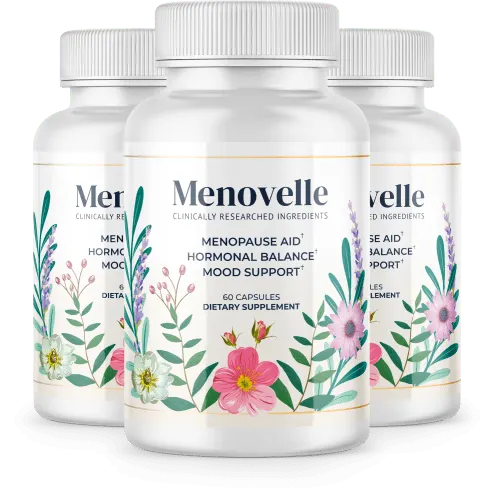
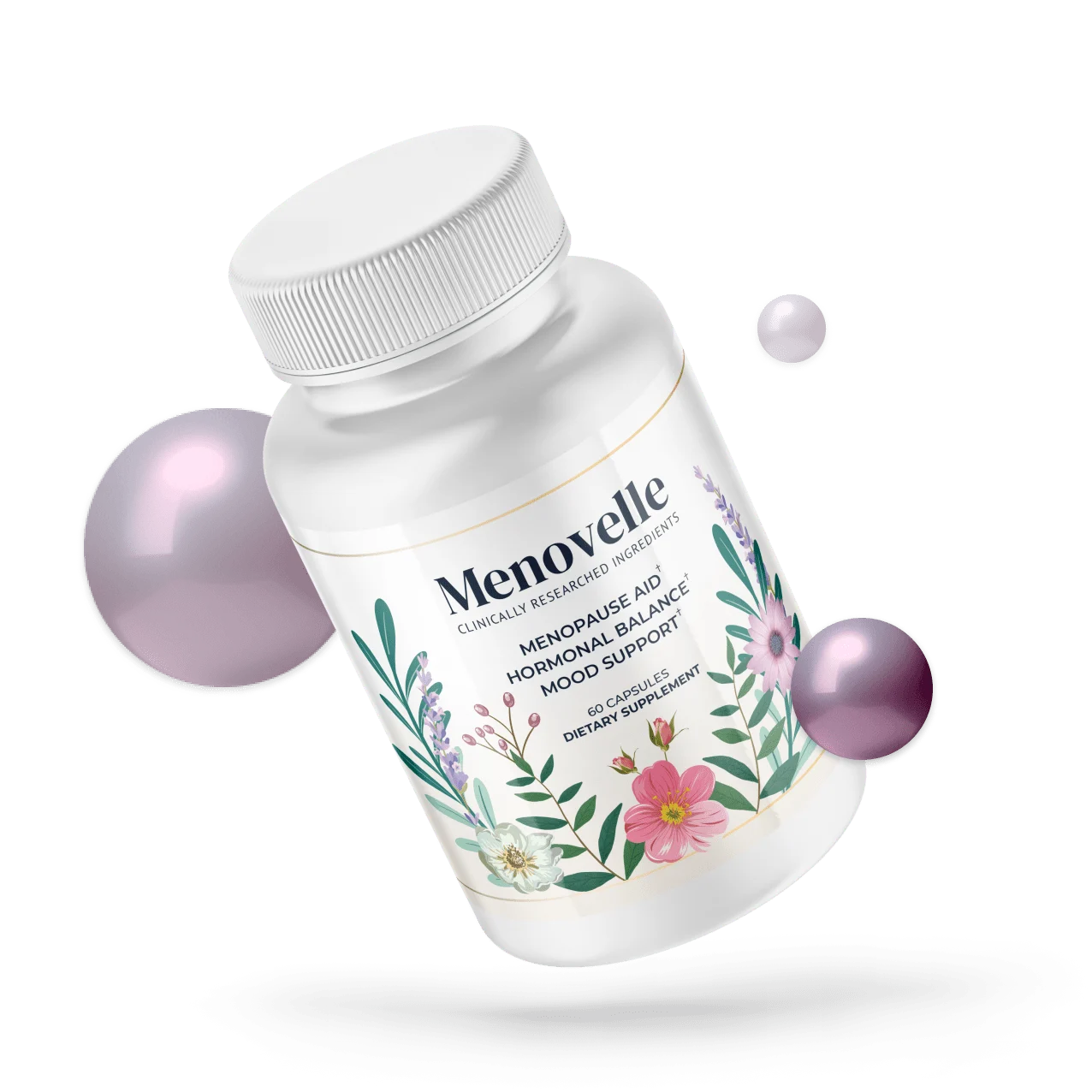
For those seeking comprehensive, natural support, Menovelle offers a blend of carefully selected ingredients designed to address the multifaceted challenges of menopause. It's formulated to work synergistically with your body, providing support for common symptoms without harsh chemicals.

Black Cohosh Root Extract
Role: Widely recognized for its ability to alleviate hot flashes, night sweats, and mood swings by potentially interacting with estrogen receptors and neurotransmitters.
40-80 mg daily (standardized)
Soy Isoflavones
Role: Phytoestrogens that can mimic estrogen's effects in the body, helping to reduce the frequency and severity of hot flashes and support bone density.
50-100 mg daily
Red Clover Extract
Role: Another source of isoflavones, contributing to the reduction of hot flashes and potentially supporting cardiovascular health during menopause.
40-80 mg daily (standardized)
Dong Quai Powder
Role: A traditional Chinese herb often used to balance female hormones, support menstrual health, and ease menopausal discomforts like cramping and mood changes.
200-500 mg daily
Maca Root Powder
Role: An adaptogenic root known for improving energy, mood, and libido, and helping the body adapt to stress, which can be beneficial during hormonal fluctuations.
500-1500 mg daily
Chasteberry (Vitex Agnus-Castus) Extract
Role: Primarily used to balance hormones, particularly progesterone, which can help alleviate symptoms related to PMS and perimenopause.
200-400 mg dailyMenovelle is formulated with a commitment to purity and potency, utilizing ingredients that are non-GMO and free from common allergens. This focus on natural, high-quality components ensures that you're supporting your body's journey through menopause with integrity and care. It's one of the many natural menopause relief remedies available, offering a comprehensive blend for those seeking a convenient and effective solution.
To explore more about natural remedies and how they compare, you might find our article on natural-menopause-relief-relief-remedies.html insightful.
Experience the Difference with Menovelle
Take control of your menopause journey with Menovelle, a scientifically formulated natural supplement designed to bring you comfort and balance. Don't let menopause symptoms dictate your life—choose natural support that works with your body.
- ✓ Reduces Hot Flashes & Night Sweats
- ✓ Balances Mood & Reduces Irritability
- ✓ Supports Energy & Reduces Fatigue
- ✓ Promotes Restful Sleep
- ✓ Made with All-Natural, Clinically Backed Ingredients



What Women Are Saying About Their Natural Relief Journey
"Menopause hit me hard, especially the hot flashes and mood swings. I tried several natural approaches, and Menovelle was a game-changer. Within a few weeks, I felt more balanced, and my hot flashes significantly decreased. It truly helped me feel like myself again!"
"I was hesitant about supplements, but after researching natural options, I decided to try Menovelle. The difference in my sleep and overall energy is remarkable. No more waking up drenched in sweat! It's been such a relief to find something that works naturally."
"My doctor recommended exploring natural ways to manage my menopause symptoms, and Menovelle came highly recommended. I appreciate that it uses herbal ingredients. My mood has improved, and I feel less irritable. It's been an essential part of my natural relief strategy."
Frequently Asked Questions
What are the most effective natural remedies for hot flashes?
+Effective natural remedies for hot flashes include consuming phytoestrogen-rich foods (soy, flaxseed), practicing mindful breathing, staying hydrated, wearing layered clothing, and considering herbal supplements like Black Cohosh or Red Clover, which have shown promise for some women. Regular exercise and stress reduction techniques also play a crucial role in managing frequency and intensity.
How can diet impact menopause symptoms?
+Diet plays a significant role in managing menopause symptoms. A balanced diet rich in fruits, vegetables, whole grains, and lean proteins can help stabilize blood sugar, reduce inflammation, and provide essential nutrients. Phytoestrogens from plant-based foods can mimic estrogen, potentially easing symptoms like hot flashes. Limiting caffeine, alcohol, spicy foods, and processed sugars can also reduce symptom triggers. Adequate calcium and Vitamin D intake are vital for bone health, which can be compromised during menopause.
Are herbal supplements safe for menopause relief?
+Many women find relief from menopause symptoms through herbal supplements, but their safety and efficacy can vary. While some, like Black Cohosh, Red Clover, or Maca Root, have a history of traditional use and some scientific backing, they are not without potential side effects or interactions with medications. It's crucial to choose high-quality, reputable brands and always consult with a healthcare professional before starting any new supplement regimen, especially if you have underlying health conditions or are taking other medications.
How does stress management relate to menopause symptom severity?
+Stress can significantly exacerbate menopause symptoms. The adrenal glands, which produce some hormones, can become overworked under chronic stress, potentially affecting hormonal balance. High stress levels can intensify hot flashes, worsen sleep disturbances, and amplify mood swings and anxiety. Incorporating stress-reducing practices like meditation, yoga, deep breathing exercises, spending time in nature, and ensuring adequate rest can help lower cortisol levels, promote hormonal balance, and reduce the overall severity of menopause symptoms.
When should I consider a supplement like Menovelle for menopause?
+You might consider a natural supplement like Menovelle if you're experiencing bothersome menopause symptoms (hot flashes, night sweats, mood swings, fatigue) and are looking for a complementary approach to lifestyle changes. It's often chosen by women seeking to support their body's natural balance with herbal and nutritional ingredients. Always discuss this decision with your doctor to ensure it's appropriate for your individual health profile and won't interact with other medications or conditions you may have.
What lifestyle changes can significantly improve my menopause experience?
+Several lifestyle changes can profoundly improve the menopause experience. Regular physical activity, including both aerobic and strength training, can help manage weight, improve mood, and reduce hot flashes. Prioritizing quality sleep by maintaining a consistent schedule and creating a conducive sleep environment is vital. Adopting a nutrient-dense diet, as mentioned, and effectively managing stress through techniques like mindfulness or meditation are also key. Limiting alcohol and quitting smoking can further alleviate symptoms and improve overall health during this transition.
Related Articles